How Backline Rentals Keep Touring Bands on the Road Without the Baggage
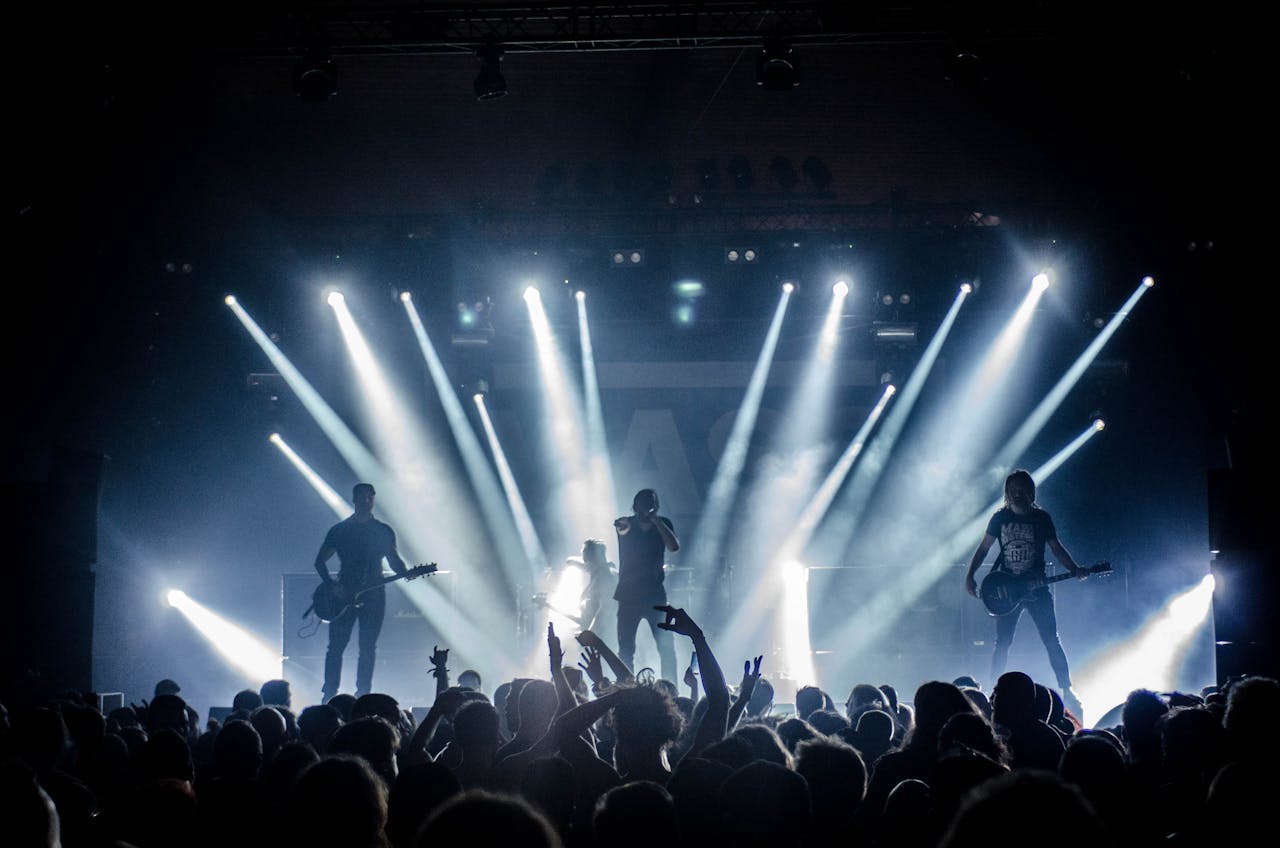
There's a version of touring that most people picture when they think about bands on the road. A bus or a van, gear crammed into every available inch of space, amps stacked next to suitcases, a drum kit rattling around in the trailer. And for a lot of bands, especially ones doing regional runs or playing a circuit they know well, that's still how it works.
But for bands crossing oceans to play shows, that picture falls apart fast. When a five-piece from Manchester or Berlin books a three-week run across the United States, the math on shipping a full backline of gear simply doesn't add up. Freight costs are brutal. Airlines destroy things. Customs paperwork is its own special kind of misery. And even if everything arrives in one piece and on time, which is never guaranteed, someone still has to move all of it from city to city in a country where the drives between stops can be seven or eight hours long.
That's where backline rentals come in. And for a growing number of touring artists, it's not a compromise. It's the smarter way to do it.
What Backline Actually Means
For anyone outside the music industry, the term "backline" refers to the amplifiers, drums, keyboards, and other large instruments and equipment that sit behind the performers on stage. It's everything that isn't part of the PA system or the front-of-house sound setup. Think guitar amps, bass rigs, drum kits, keyboard stands, monitor wedges, and all the cables and hardware that connect it together.
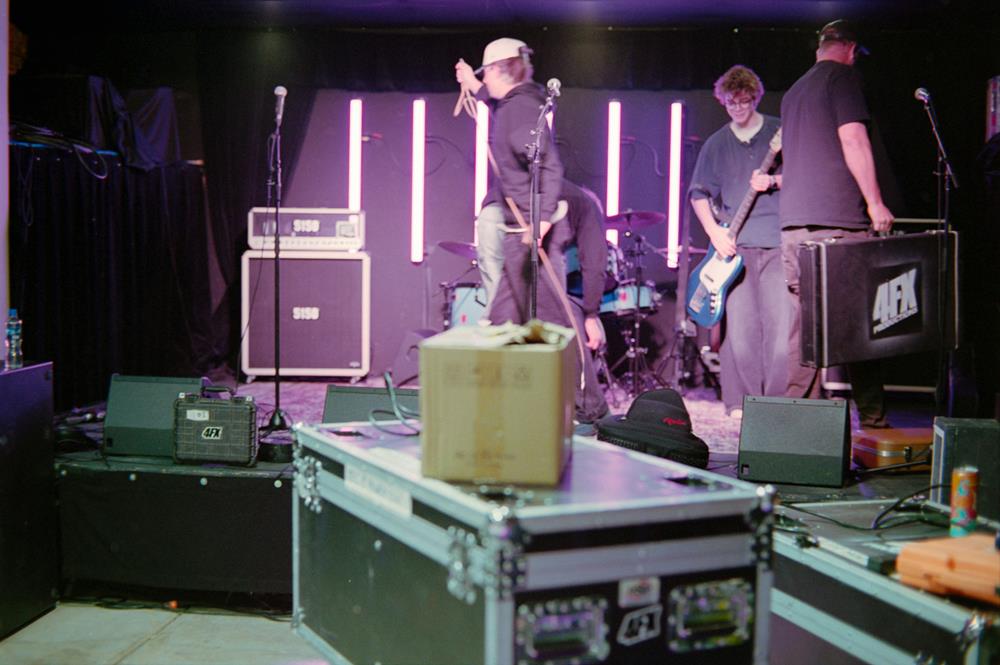
Backline rental companies provide that gear on a per-show or per-tour basis. A band flies in with their guitars, their pedal boards, their cymbals, their sticks, and whatever personal items they can't live without, and everything else is waiting for them at the venue. Fresh strings on the guitars if they need them. Heads and cabinets already on stage. A drum kit set up and ready for the drummer to adjust to their specs.
It sounds almost too convenient, and honestly, it kind of is. But it works because the companies that do this have been doing it for a long time, and they understand what musicians need.
Why International Bands Lean on It
The economics are the obvious starting point. Shipping a full backline from the UK to the US and back can easily run into thousands of pounds, and that's before you factor in the risk of damage, loss, or delays. A Marshall half stack that gets dropped by a cargo handler isn't just an inconvenience. It's a show-stopping problem, literally, if there's no backup plan.
Bands that fly in and rent locally avoid all of that. They check their guitars as oversized luggage or carry them on when they can, pack their essentials into a couple of cases, and show up knowing the heavy stuff is handled. The savings on freight alone often cover most or all of the rental costs, which means the band isn't really spending more money. They're just spending it differently, and getting peace of mind as part of the deal.
There's also the visa and customs angle. Moving commercial equipment across international borders involves paperwork, carnets, and the occasional surprise inspection that can hold gear up for days. Bands on tight tour schedules don't have days to spare. Renting domestically sidesteps that entire process.
And then there's the physical reality of touring. Even once gear is in the country, someone has to load it in and out of a vehicle every single night. That's fine when you're twenty-two and running on adrenaline. It's less fine when you're a working musician in your thirties or forties trying to protect your back and your sanity over the course of a long run. Traveling light isn't just a financial decision. It's a quality-of-life decision.
What a Good Backline Company Actually Provides
Not all rental companies are created equal, and bands that have been burned by bad gear learn that lesson quickly. The best backline providers don't just drop off equipment and disappear. Companies like Colorado's Kaleidoscope Productions work with the band or their tour manager in advance to spec out exactly what's needed for each show. They maintain their gear meticulously because their reputation depends on it. And they're reachable when something goes sideways, because something always goes sideways eventually.
A typical backline package for a rock band might include guitar amplifiers and cabinets, a bass rig, a full drum kit minus cymbals and snare, keyboard setups with stands and sustain pedals, and a supply of DI boxes and mic stands. Some companies also handle accessories like drum thrones, guitar stands, and even spare strings and sticks.
For bands doing a multi-city tour, the backline company coordinates delivery to each venue or arranges for gear to travel with the production. In some cases, especially on larger tours, a backline tech travels with the equipment and handles setup, maintenance, and teardown at every stop. That person becomes part of the crew for the duration of the run, and good ones are worth their weight in gold.
The key thing is communication. Bands that send detailed specs ahead of time, including preferred amp models, drum sizes, hardware brands, and any quirks or substitutions they're okay with, tend to have much smoother experiences than bands that show up expecting the rental company to read their minds. It's a partnership, and like any partnership, it works best when both sides are clear about expectations.
The Gear Stays Familiar Even When It's Not Yours
One concern bands sometimes have about renting is whether the gear will feel right. Every guitarist has a relationship with their amp. Every drummer knows exactly how their kit should feel under their hands. Playing someone else's equipment can feel like wearing someone else's shoes.
But experienced backline companies know this, and they stock industry-standard gear for exactly that reason. A Fender Twin is a Fender Twin whether you own it or rent it. A DW drum kit set up to a drummer's specifications is going to feel like home once they've had ten minutes to adjust the throne height and move the toms where they want them. The personal stuff, the pedals, the snare, the cymbals, the things that really define a player's sound, travels with the musician. The backline fills in the rest.
Some bands actually discover that renting gives them access to gear they wouldn't normally have. A guitarist who usually plays through a Vox AC30 might get a chance to try a Matchless or a Two-Rock for a night. A drummer who's been eyeing a particular kit for years gets to play one without committing to buying it. There's a low-key element of discovery built into the process that musicians don't always expect.
It's Not Just for International Acts
While the backline rental model is most obviously useful for bands crossing borders, it's increasingly common for domestic acts too. Fly dates, where a band flies to a one-off show rather than driving, are a regular part of the touring landscape now. Festival appearances often come with provided backline as part of the production package. And even bands doing full US tours sometimes find that renting regionally, swapping out gear every few cities from local providers along the route, is more efficient than hauling their own rig coast to coast.
The model scales in both directions. A solo artist doing acoustic shows might only need a quality DI box and a monitor. A ten-piece soul band might need a full stage worth of equipment including horn stands, keyboard rigs, and a percussion setup. The rental infrastructure exists to handle all of it.
Traveling Light, Playing Heavy
The whole point of backline rentals is to remove obstacles between a band and the stage. The less time musicians spend worrying about logistics, freight, and whether their gear survived the flight, the more energy they have for the thing they actually came to do. Play the show. Connect with the audience. Make the night count.
For bands coming from overseas, especially those building an audience in a new market and watching every dollar and pound in the budget, backline rentals aren't just convenient. They're what make the tour possible in the first place. The gear is there when they arrive. It works. And when the last note rings out, they pack up their essentials and move on to the next city without looking back.
That's touring in its simplest, most sustainable form. And more bands are figuring that out every year.