Behind the Audio Design of San Antonio Live Events

San Antonio's live events rely on sophisticated audio design that balances venue acoustics with technical expertise. You'll find professionals tackling challenges like reverberation and hard surfaces through strategic speaker placement and 3D modeling. They integrate sound with lighting through beat-synced systems and DMX controllers, while working within local noise ordinances and venue policies.
From initial site assessment to real-time mixing, every technical decision aims to create immersive experiences that captivate audiences. Discover the intricate process behind every crystal-clear note you hear.
Crafting Immersive Sound Experiences for San Antonio Audiences
While many event attendees focus on what they see, San Antonio's leading audio engineers understand that what audiences hear creates the most powerful emotional connection. Through advanced sound reinforcement techniques, they work to ensure every seat in venues like the Alamodome receives well-balanced audio.
Using sophisticated systems from brands such as JBL and L-Acoustics, engineers implement adaptive audio management that responds to real-time venue dynamics. They strategically position speaker arrays and subwoofers to deliver clear vocals and rich instrumental detail across diverse spaces. Sound engineers work closely with venue operators to assess acoustics and select appropriate equipment for the best possible audience experience.
Before any event begins, 3D modeling of venues like SeaWorld San Antonio's Nautilus Amphitheater enables precise speaker placement for consistent coverage across the fan-shaped seating area. This meticulous attention to acoustic design helps transform ordinary shows into immersive experiences where sound surrounds you without overwhelming your senses.
Overcoming Venue-Specific Acoustic Challenges in Local Spaces
Despite San Antonio's thriving event scene, local venues face unique acoustic challenges that can make or break a live experience. When you're planning an event, understanding a space's acoustic signature becomes essential, particularly in renovated venues where older absorptive materials have been replaced with more reflective surfaces like sheetrock and plaster.
High ceilings, hard surfaces, and open layouts in local clubhouses exacerbate reverberation and noise spillover issues. You'll often need architectural sound treatment strategies such as fabric-wrapped panels, baffles, and sound-rated partitions to address these problems while maintaining aesthetic appeal. Real-world renovations across the city have shown how removing acoustical ceilings or soft finishes can create unexpected echo problems that require professional acoustic intervention.
For venue owners, San Antonio's Noise Mitigation Grants Program adds another layer of support when addressing neighborhood concerns. The city has offered matched funds up to $7,500 per qualifying small business to help pay for sound management improvements, helping balance impactful live audio with surrounding community needs.
Essential Audio Equipment and Technical Configurations for Event Success
View this post on Instagram
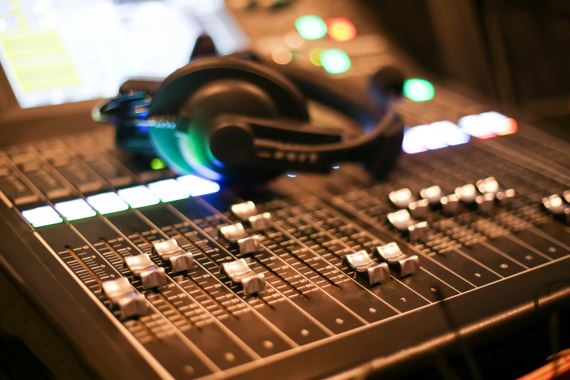
The foundation of any successful San Antonio live event lies in selecting the right audio equipment and technical setup. When planning your event, microphone selection should include whether you need the reliability of wired options or the mobility of wireless systems—just be sure you've got backup batteries and spare mics ready.
Effective speaker positioning depends on your venue's size and acoustics, with line arrays suited to larger spaces and point-source systems ideal for intimate gatherings. You'll typically need:
- Digital mixers with sufficient channels (often 12–24 for mid-sized events)
- Properly rated amplifiers that match your speaker requirements
- Signal processors to shape dynamics and protect drivers
- High-quality cables and connectors, with backups for redundancy
For professional-level productions, engineers may incorporate DMX controllers or show-control systems so lighting and visual elements can be triggered in sync with audio cues, creating a more cohesive production. Whatever the system, scaling it correctly to audience size and layout is crucial to achieve even coverage and comfortable volume throughout your San Antonio venue.
Seamless Integration of Sound with Lighting and Visual Elements
Creating a truly memorable live event in San Antonio requires more than just pristine audio—it also depends on seamless integration between sound, lighting, and visual elements. You'll notice how beat-synced lighting intensifies audience engagement during high-energy performances, with cues timed precisely to musical changes and rhythmic accents.
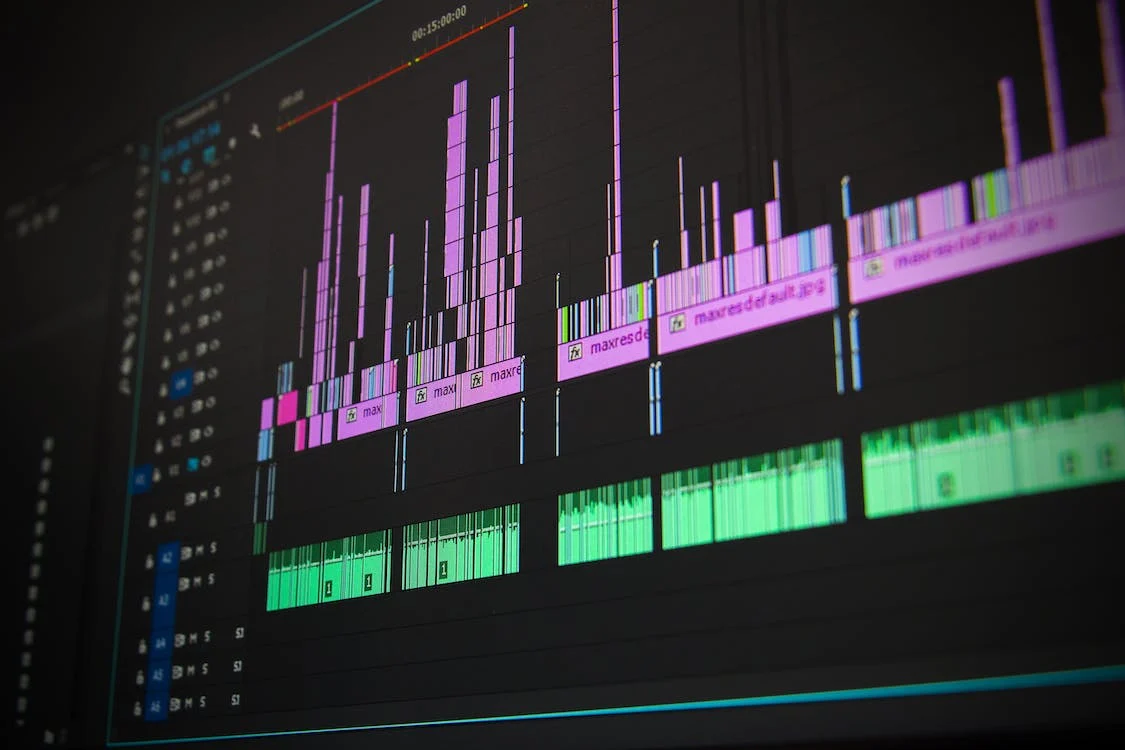
Modern San Antonio venues frequently leverage DMX protocols and timecode-based control to support audio-reactive lighting displays that adapt dynamically to songs and spoken word. This technical harmony helps avoid issues like washed-out projection while enhancing storytelling through unified sensory experiences. Audio-to-light systems can map specific frequencies or instruments to different lighting parameters, creating sophisticated visual responses without demanding extensive manual programming.
When you're planning your next event, consider how technologies like wireless LED fixtures and mesh LED displays can transform performances—allowing artists to interact directly with lighting elements while maintaining reliable audio synchronization. The result is an immersive environment where sound, light, and video all work together rather than competing for attention.
The Technical Process: From Site Assessment to Live Mixing
Behind every smooth San Antonio live event experience lies a methodical technical process that begins long before audiences arrive. You'll find audio engineers evaluating venue acoustics, identifying noise challenges, and coordinating with event planners to understand your artistic goals and production requirements.
The process typically unfolds through several critical phases:
- System design tailored to your venue's unique acoustic properties
- Strategic equipment selection and positioning for clear coverage and intelligible speech
- All-encompassing sound checks to verify gain structure, monitor mixes, and cue lists
- Real-time mixing adjustments that respond to performers, audience energy, and room behavior
Close coordination between audio teams and other production departments ensures smooth transitions throughout the show. In many cases, engineers use 3D prediction and rendering software to visualize coverage and refine system designs before load-in, reducing setup surprises on show day.
When you're captivated by crystal-clear sound at your next San Antonio event, you're hearing the result of careful planning, technical expertise, and responsive mixing happening moment by moment.