The Evolution of Music Production in the Digital Age
From Recording Studios to Digital Creativity
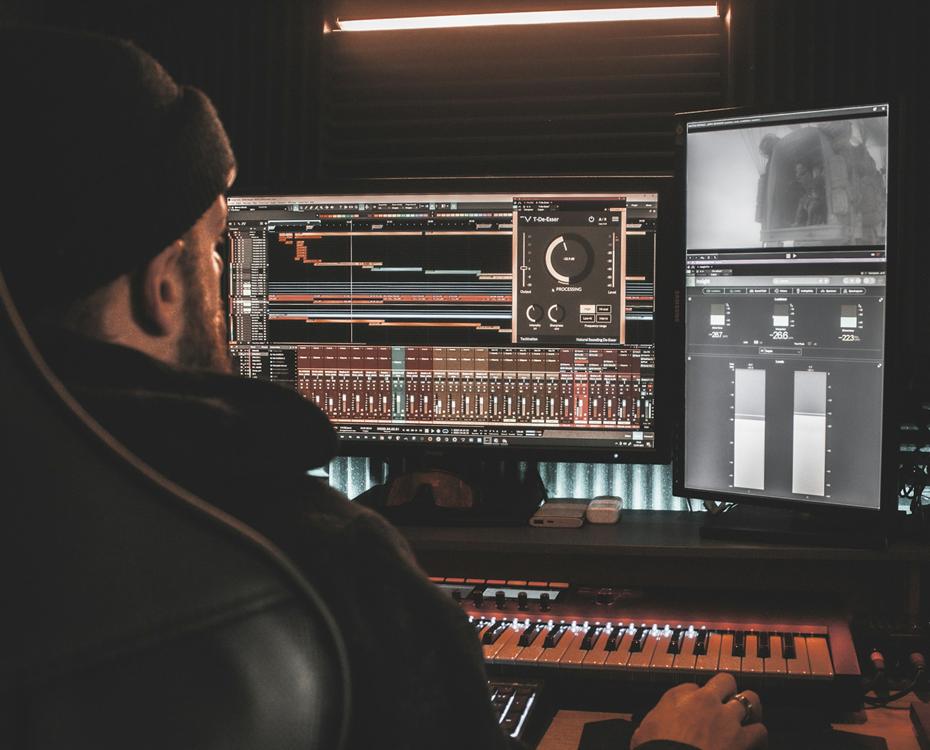
Music production has changed dramatically over the past few decades. What once required expensive studios, large teams, and complex equipment can now be done with a laptop and the right software. The digital age has transformed how artists create, record, edit, and share music, giving more people the opportunity to turn their ideas into finished songs.
In the past, producing music was often limited to professional musicians who had access to recording studios and specialized equipment. Artists needed producers, sound engineers, and large recording setups to create high-quality tracks. While traditional studios still play an important role today, technology has made music production more accessible than ever.
The Rise of Digital Audio Workstations
One of the biggest changes in modern music production is the introduction of Digital Audio Workstations (DAWs). These software platforms allow musicians to record vocals, create instrumentals, edit sounds, and mix complete songs from a single computer.
Programs such as Ableton Live, Logic Pro, and FL Studio have become essential tools for many producers. Instead of relying on physical instruments and expensive studio equipment, creators can use digital versions of keyboards, drums, synthesizers, and sound effects.
This shift has opened opportunities for independent artists who may not have the financial resources to work in traditional studios. A bedroom, home office, or small creative space can now become a personal recording studio.
How Technology Has Changed Creativity
Digital tools have not only made music production easier; they have also expanded creative possibilities. Producers can experiment with different sounds, combine musical styles, and make changes instantly during the creative process.
Before digital editing, making changes to a recording could be time-consuming and expensive. Today, artists can adjust vocals, modify instrument sounds, and explore different arrangements with just a few clicks.
Technology has also encouraged collaboration. Musicians from different parts of the world can work together remotely by sharing project files and recordings online. This has created new opportunities for artists to connect, experiment, and produce music beyond geographical boundaries.
The Impact of Artificial Intelligence on Music Production
Artificial intelligence is becoming another important part of the modern music landscape. AI-powered tools can assist producers with tasks such as generating ideas, improving sound quality, organizing tracks, and creating unique effects.
While some people worry that AI may replace human creativity, many artists see it as a helpful tool rather than a replacement. Music is built on emotions, experiences, and personal expression, qualities that remain deeply connected to human creativity.
AI can help speed up certain parts of the production process, allowing musicians to spend more time focusing on storytelling and artistic decisions.
The Growth of Independent Artists
The digital age has completely changed how musicians release and promote their work. In previous years, artists often depended on record labels to distribute their music and reach audiences. Today, streaming platforms and social media allow independent musicians to share songs directly with listeners around the world.
Platforms like YouTube, Spotify, and other digital services have helped emerging artists build audiences without traditional industry support. Social media has also become a powerful marketing tool, allowing musicians to connect with fans, promote new releases, and build communities around their music.
This shift has made the music industry more competitive, but it has also created more opportunities for unique voices to be discovered.
The Importance of Sound Quality in a Digital World
Although technology has simplified music production, creating professional-quality music still requires skill and creativity. Good equipment and software are useful, but understanding sound design, mixing, and storytelling remains essential.
Listeners today have access to millions of songs, which means artists must focus on creating memorable experiences. A well-produced track is not only about having clear vocals or impressive effects; it is about connecting emotionally with the audience.
Many digital industries have adopted similar approaches by focusing on user experience and engagement. For example, platforms in competitive online spaces, including those associated with a united states casino audience, often invest in technology and personalized features to create smoother and more engaging experiences for users.
What the Future Holds for Music Production
The future of music production will likely continue to be shaped by innovation. Advances in artificial intelligence, virtual reality, and immersive audio technology are creating new ways for artists and listeners to experience music.
However, despite all the technological advancements, the heart of music production remains the same. Great music comes from creativity, emotion, and the ability to tell a story. Technology may change the tools artists use, but it will always be the human connection behind the music that makes it meaningful.
The digital age has not replaced traditional music production; it has expanded what is possible. Today, more creators than ever have the ability to experiment, produce, and share their music with the world, making the future of music more diverse and exciting than ever before.