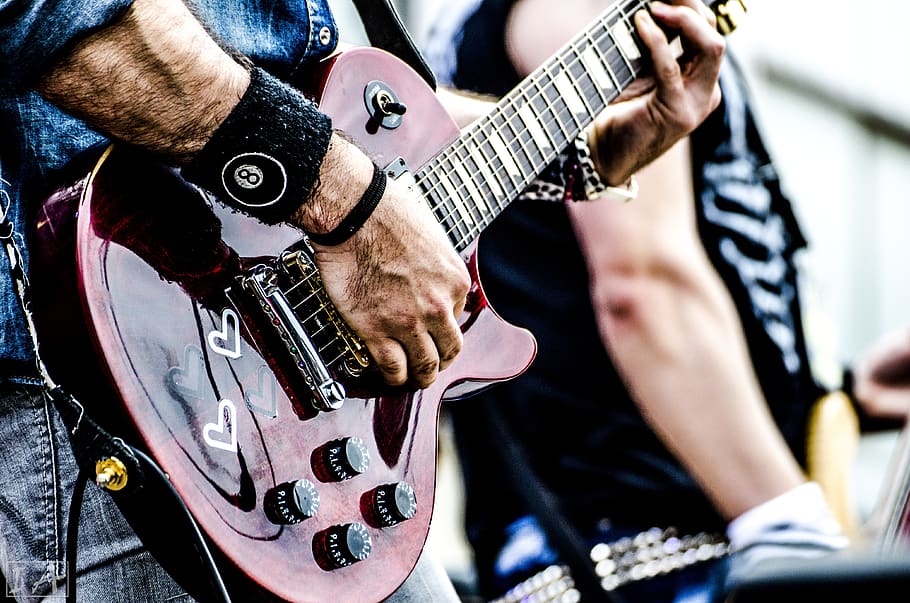
Austin’s Live Music Scene: Where Sound Comes Alive for Visitors
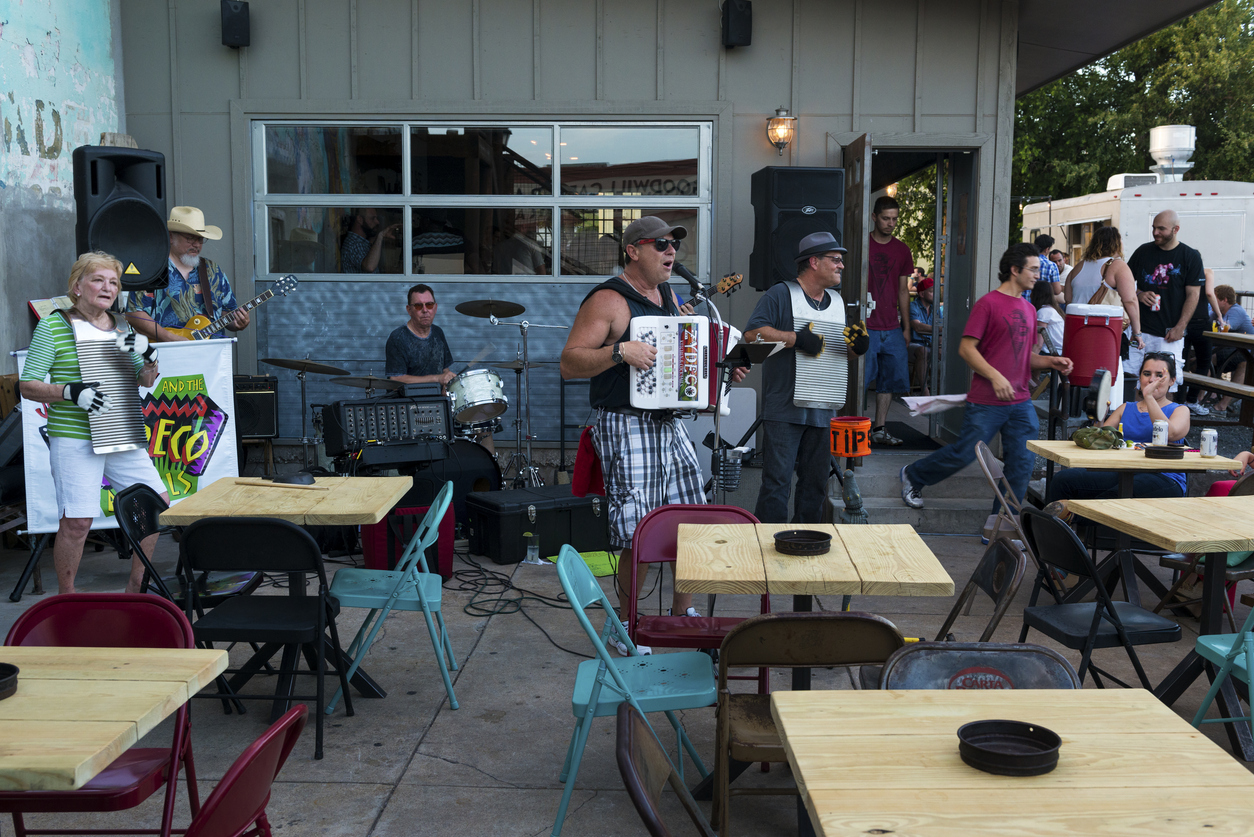
You'll find Austin's reputation as the “Live Music Capital of the World” is more than a slogan—it reflects a city where live performances are part of daily life. With 200+ active music venues across the metro area, Austin delivers everything from blues and country to indie rock and experimental electronic sets nearly every night. From iconic spots like The Continental Club on South Congress to the Red River Cultural District’s Mohawk Austin and Stubb’s Bar-B-Q, entire neighborhoods are built around live sound. Major festivals like SXSW and Austin City Limits (ACL) draw global crowds, but the real magic often happens in smaller venues where you can catch rising artists in intimate settings.
Best Neighborhoods for Live Music in Austin
While Austin’s music scene stretches citywide, several neighborhoods consistently stand out for their concentration of venues and distinct atmospheres. South Congress (SoCo) centers around The Continental Club, a long-running venue known for rock, country, and roots performances since 1955. The surrounding strip blends live music with bars and late-night hangouts, making it a reliable starting point for visitors. Downtown Austin offers the highest density of venues, including Antone’s Nightclub, a cornerstone for blues, and ACL Live at the Moody Theater, home of the long-running Austin City Limits television series. East Austin has evolved into a creative hotspot, with venues like the Historic Scoot Inn and Hotel Vegas showcasing indie, alternative, and genre-blending acts in laid-back outdoor settings. Rainey Street features converted houses turned into bars, many with backyard stages and occasional live performances, offering a more casual and social music experience. The Red River Cultural District remains one of the most concentrated live music corridors in the city, anchored by venues like Mohawk Austin, Empire Control Room & Garage, and Stubb’s, all within walking distance.
Top Live Music Venues in Austin by Neighborhood
View this post on Instagram
Austin’s venues range from intimate listening rooms to large-scale concert halls, each contributing to the city’s layered music identity.
| Neighborhood | Must-Visit Venues |
| Downtown | ACL Live at The Moody Theater, Antone’s Nightclub, The Elephant Room |
| Red River Cultural District | Stubb’s Bar-B-Q, Mohawk Austin, Empire Control Room & Garage |
| South Austin | The Saxon Pub, The Continental Club, C-Boy’s Heart & Soul |
| East Austin | Scoot Inn, Hotel Vegas, The White Horse |
The Saxon Pub stands out as a songwriter-focused venue that has hosted thousands of performances since opening in 1990. Weekly residencies—such as long-running local artist nights—help define Austin’s grassroots music culture, where repeat performances build loyal audiences. Meanwhile, The Elephant Room offers one of the city’s most consistent jazz lineups, while White Horse blends honky-tonk dancing with live country music in a distinctly Austin setting.
Austin Music Festivals Worth Planning Your Trip Around
View this post on Instagram
If you want to experience Austin at its most energetic, plan your visit around one of its major festivals. Austin City Limits Music Festival (ACL) takes place over two weekends each October at Zilker Park, typically featuring 100+ artists across multiple stages. SXSW (South by Southwest) transforms the city each March, combining music, film, and tech into a multi-venue event with thousands of performances spread across downtown. Other notable events include:
- Austin Reggae Festival (spring) at Auditorium Shores
- Levitation (formerly Austin Psych Fest) focusing on psychedelic and experimental music
- Blues on the Green, a free summer concert series
Each festival offers a different vibe, from large-scale productions to niche genre showcases, giving visitors multiple ways to experience Austin’s sound.
What Makes Austin the Live Music Capital of the World?
Austin officially adopted the “Live Music Capital of the World” title in 1991, but its roots go back decades. Early venues like Armadillo World Headquarters and Liberty Lunch helped establish a culture where genres blended freely and artists found space to experiment. Today, the city’s strength lies in its venue density and accessibility. You can move from a small bar show to a mid-size venue and then to a major performance—all within a short distance. Districts like Red River, 6th Street, and South Congress each contribute distinct musical identities, ensuring a wide range of genres and experiences across the city.
Artists and Venue Owners Who Shaped Austin’s Sound
Austin’s music identity is closely tied to the individuals who built its stages and defined its sound. Willie Nelson helped anchor the city’s reputation in the 1970s, bringing outlaw country to Austin and bridging audiences across genres. Clifford Antone, founder of Antone’s Nightclub, played a critical role in preserving blues music in Texas, mentoring artists like Stevie Ray Vaughan and bringing national attention to Austin’s scene. Meanwhile, Eddie Wilson, co-founder of the Armadillo World Headquarters, created a venue where country, rock, and counterculture artists could share the same stage—an approach that helped establish Austin’s genre-blending identity. These figures didn’t just perform or manage venues—they helped shape the inclusive, experimental culture that continues to define Austin’s live music experience today.
When to Go, What to Bring, and How to Score Tickets
Timing plays a major role in shaping your Austin music experience. Spring (March) is dominated by SXSW, while fall (October) centers around ACL Festival. These periods offer the most activity but also the largest crowds and highest prices. For regular shows:
- Small venues: $10–$25 cover
- Mid-size venues: $20–$50 tickets
- Major concerts: $60–$150+ depending on the artist
Book tickets in advance for popular acts, especially during festival seasons. Many venues sell out quickly, particularly on weekends. Bring essentials like cash for tips, a valid ID, and comfortable shoes—many shows are standing-room only. During outdoor events, plan for Texas heat with water and sun protection.
Tipping, Merch, and Other Ways to Support Austin Venues
Austin’s music ecosystem relies heavily on direct audience support. At smaller venues, performers often depend on tips and merchandise sales as a primary source of income. Tip jars are common, especially at local shows, and contributing $5–$20 per performance helps sustain working musicians. Many venues also offer digital tipping options for cashless visitors. Buying merchandise—such as shirts, vinyl, or posters—directly supports artists while giving you a tangible memory of the show. Supporting local venues by attending shows, purchasing drinks, and engaging with performers helps keep Austin’s live music culture thriving.
Conclusion
Austin’s live music scene offers far more than headline festivals and big-name acts. From neighborhood bars to historic venues and open-air stages, the city delivers a continuous soundtrack shaped by local talent and visiting artists alike. Whether you're planning your trip around a major festival or simply exploring the nightlife, you’ll find that Austin’s music culture is something you experience up close—not just observe.